
Introduction to Dr. Mohamed Masoud
Dr. Mohamed Masoud is a distinguished figure in the field of orthodontics, recognized for his innovative approach and commitment to advancing orthodontic research. With a comprehensive educational background and a wealth of experience, Dr. Masoud embodies the qualities of a visionary leader in dental education. He earned his Doctor of Dental Surgery (DDS) from a prestigious institution, followed by a Master’s Degree in Orthodontics, which laid the foundation for his extensive career.
His credentials extend beyond formal education; Dr. Masoud is board-certified by the American Board of Orthodontics, a testament to his expertise and dedication to maintaining the highest standards in the field. His previous roles include prominent positions at various dental schools and research institutions, where he has made significant contributions to the orthodontic community. Notably, Dr. Masoud has published numerous articles in respected dental journals, shedding light on clinical innovations and the latest advancements in orthodontics.
Dr. Masoud's appointment as the Research Director at the Georgia School of Orthodontics (GSO) is a significant milestone not only for his career but also for the institution itself. His leadership is expected to drive forward the GSO research program, fostering a culture of inquiry that will benefit students, faculty, and the broader orthodontic community.
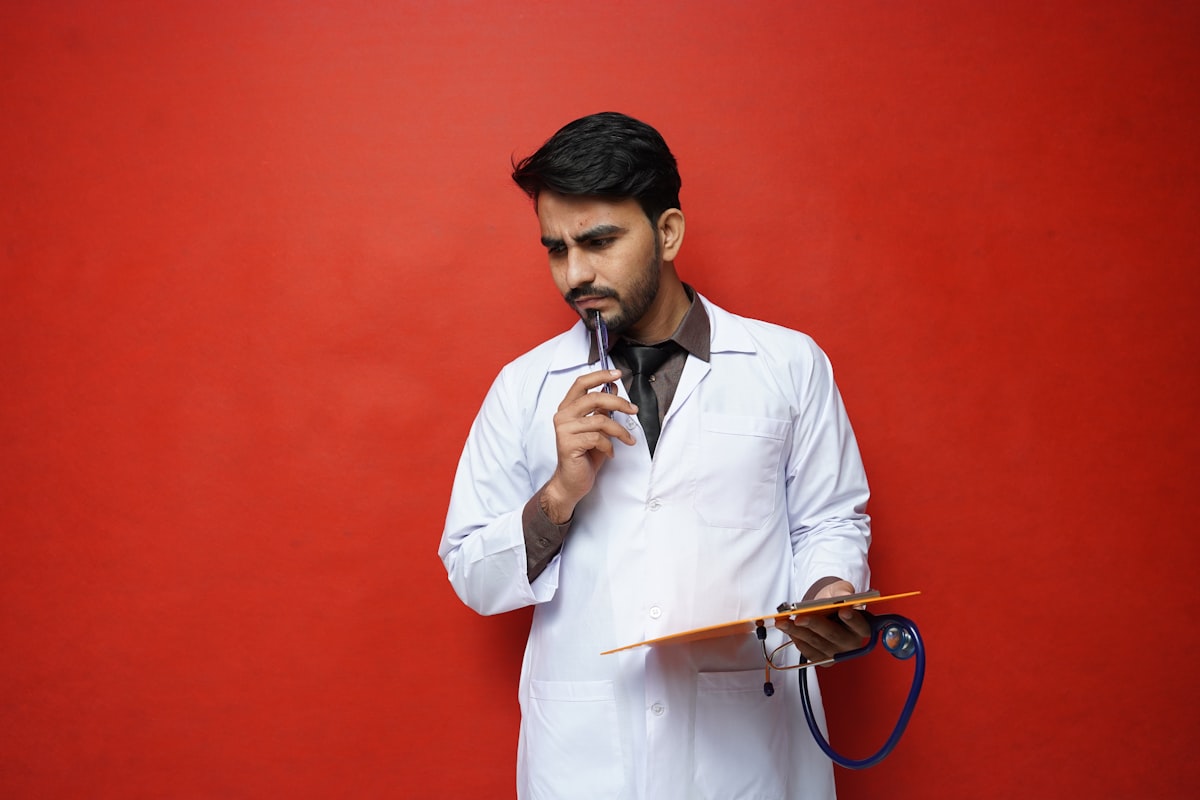
The Role of a Research Director in Orthodontics
The role of a research director in orthodontics is multifaceted, encompassing a range of responsibilities that are crucial for advancing dental education and clinical practices. One of the primary duties of a research director is to oversee and coordinate research initiatives within the institution. This includes developing research agendas, securing funding, and ensuring that studies align with the mission of the school.
Leadership in research significantly influences clinical practices by translating findings into actionable insights that can enhance patient care. A research director like Dr. Masoud plays a pivotal role in bridging the gap between research and clinical application. By fostering a collaborative environment, he encourages faculty and students to engage in research that addresses real-world challenges faced by orthodontic professionals.
Moreover, mentorship is an essential aspect of a research director’s role. Dr. Masoud is committed to nurturing the next generation of orthodontic leaders by providing guidance and support to students and residents engaged in research. This mentorship not only enriches the educational experience but also fosters a culture of innovation and inquiry that is vital for the ongoing advancement of orthodontic research.
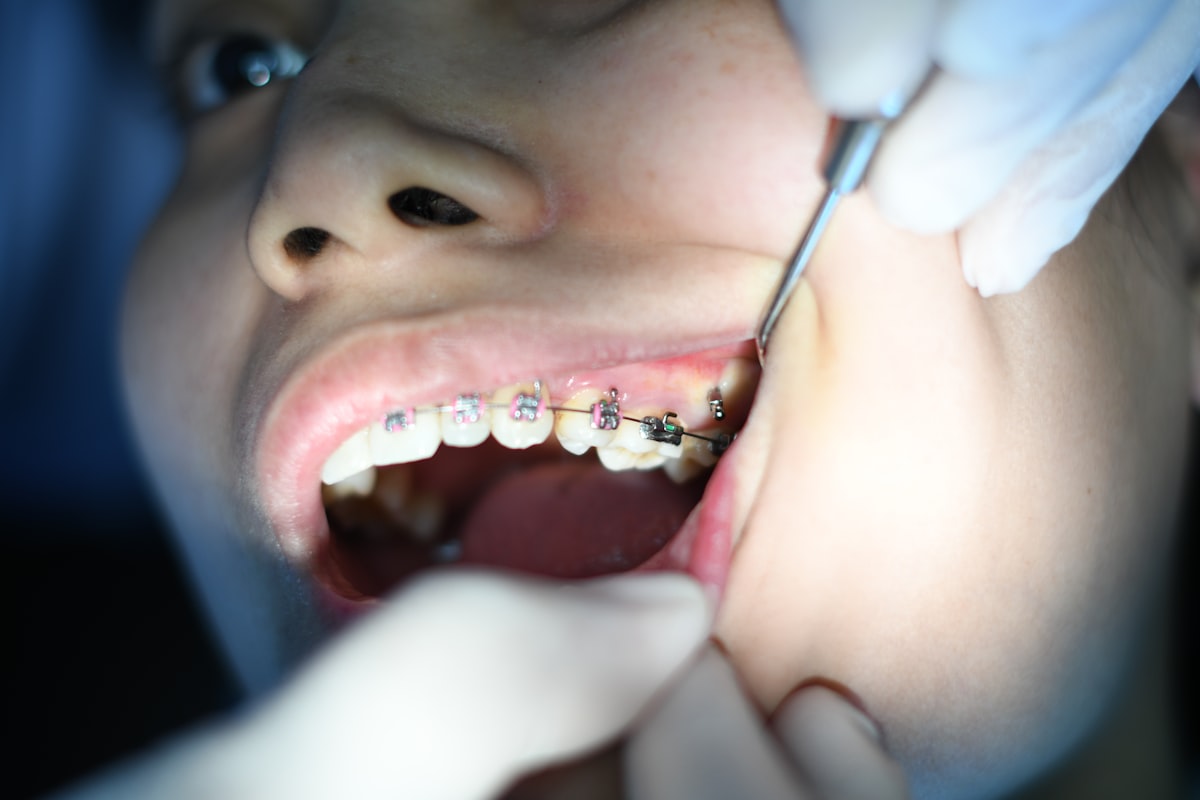
Milestones in Dr. Masoud's Career
Dr. Masoud's academic journey is marked by numerous milestones that highlight his commitment to orthodontics and dental education. After completing his DDS and Master’s in Orthodontics, he quickly established himself as a leader in clinical innovation. His research has focused on various aspects of orthodontic treatment, including the development of new materials and techniques that improve patient outcomes.
Among his notable achievements is his involvement in groundbreaking studies that have reshaped understanding in the field. Dr. Masoud has contributed to the development of advanced orthodontic appliances, as well as techniques that enhance the efficiency of treatment protocols. His publications in peer-reviewed journals have garnered recognition, making him a sought-after speaker at national and international orthodontic conferences.
Throughout his career, Dr. Masoud has received several awards and accolades, recognizing his contributions to orthodontic research and education. These include the prestigious Orthodontic Research Award from the American Association of Orthodontists, reflecting his status as a leading voice in the orthodontic community.
Current Trends in Orthodontic Research
The field of orthodontics is experiencing rapid transformation, driven by emerging technologies and innovative research studies. Current trends indicate a shift towards more personalized and patient-centered approaches to orthodontic care. Techniques such as 3D imaging and digital modeling are revolutionizing treatment planning, allowing for more precise and efficient orthodontic interventions.
Recent research has highlighted the significance of patient-centered care, emphasizing the importance of patient preferences and expectations in treatment outcomes. Studies suggest that when patients are actively involved in their treatment decisions, satisfaction rates increase, and compliance improves, ultimately leading to better results.
Another key trend in orthodontics is the integration of artificial intelligence and machine learning in treatment planning and outcome prediction. These technologies have the potential to enhance diagnosis, streamline workflow, and improve overall patient care. Research continues to explore how these technologies can be applied to identify optimal treatment strategies tailored to individual patient needs.
The Georgia School of Orthodontics: A Hub for Innovation
The Georgia School of Orthodontics (GSO) stands out as a premier institution dedicated to advancing orthodontic education and research. GSO's mission is to provide exceptional training to orthodontic residents while promoting research that addresses the evolving needs of the dental community. Under Dr. Masoud's leadership, GSO aims to strengthen its position as a hub for orthodontic innovation.
The research facilities at GSO are equipped with state-of-the-art technology, enabling faculty and students to engage in cutting-edge research. Programs offered include a rigorous orthodontic residency that emphasizes both clinical training and research involvement, fostering a comprehensive learning environment.
Collaboration is a cornerstone of GSO's approach to research. The institution partners with leading dental schools and industry partners, facilitating knowledge exchange and fostering innovative research initiatives. These collaborations not only enhance the research output but also ensure that findings are relevant and applicable to clinical practice.
The Future of Orthodontics under Dr. Masoud's Leadership
Looking to the future, Dr. Masoud’s leadership at GSO is poised to drive significant advancements in orthodontic research. Potential research initiatives may include exploring the effects of various orthodontic treatments on long-term oral health, as well as investigating the use of digital technologies in enhancing treatment effectiveness.
Dr. Masoud's vision aligns with global trends towards evidence-based practices and patient-centered care. By focusing on research that addresses these themes, he aims to position GSO at the forefront of orthodontic education and innovation. Opportunities for student and resident involvement in research will continue to be a priority, ensuring that the next generation of orthodontists is well-equipped to contribute to the field.
Community Impact of Orthodontic Research
The impact of orthodontic research extends beyond the confines of academia; it plays a pivotal role in community engagement. Understanding the needs of the community is essential for orthodontic professionals, and initiatives that bridge research with community requirements are increasingly important.
Dr. Masoud emphasizes the significance of community-oriented research initiatives, which not only address local orthodontic challenges but also enhance access to care. Programs that provide free or low-cost orthodontic services to underserved populations highlight the vital role of research in promoting oral health equity.
Through research, orthodontists can develop strategies that improve access to care, identify barriers to treatment, and enhance patient education. By actively engaging with the community, orthodontic researchers like Dr. Masoud contribute to a greater understanding of how to effectively meet the needs of diverse populations, ultimately improving outcomes and access to orthodontic care.
How AI Phone Technology Is Changing Dental Practices
As the landscape of dental practices evolves, AI phone technology is emerging as a game-changer in enhancing patient communication and operational efficiency. AI phone secretaries, like AiScriba, are revolutionizing how dental practices manage patient interactions, leading to improved satisfaction and streamlined workflows.
One significant advantage of AI phone technology is its ability to handle appointment bookings and follow-ups seamlessly. This technology can reduce the burden on staff, allowing them to focus on patient care while ensuring that patients receive timely communication regarding their appointments. Furthermore, the ability to manage scheduling 24/7 enhances patient accessibility, allowing potential patients to reach out at their convenience.
The benefits of AI technology extend to after-hours calls, where AI phone secretaries can provide immediate responses to patient inquiries, reducing the likelihood of missed opportunities for new patient leads. This enhanced availability not only improves patient satisfaction but also helps dental practices capture and retain clients more effectively.
In conclusion, the integration of AI phone technology within dental practices represents a significant advancement that can enhance patient experience and streamline operations. As technologies like AiScriba continue to evolve, they offer dental practices substantial opportunities to improve their service delivery and patient engagement.